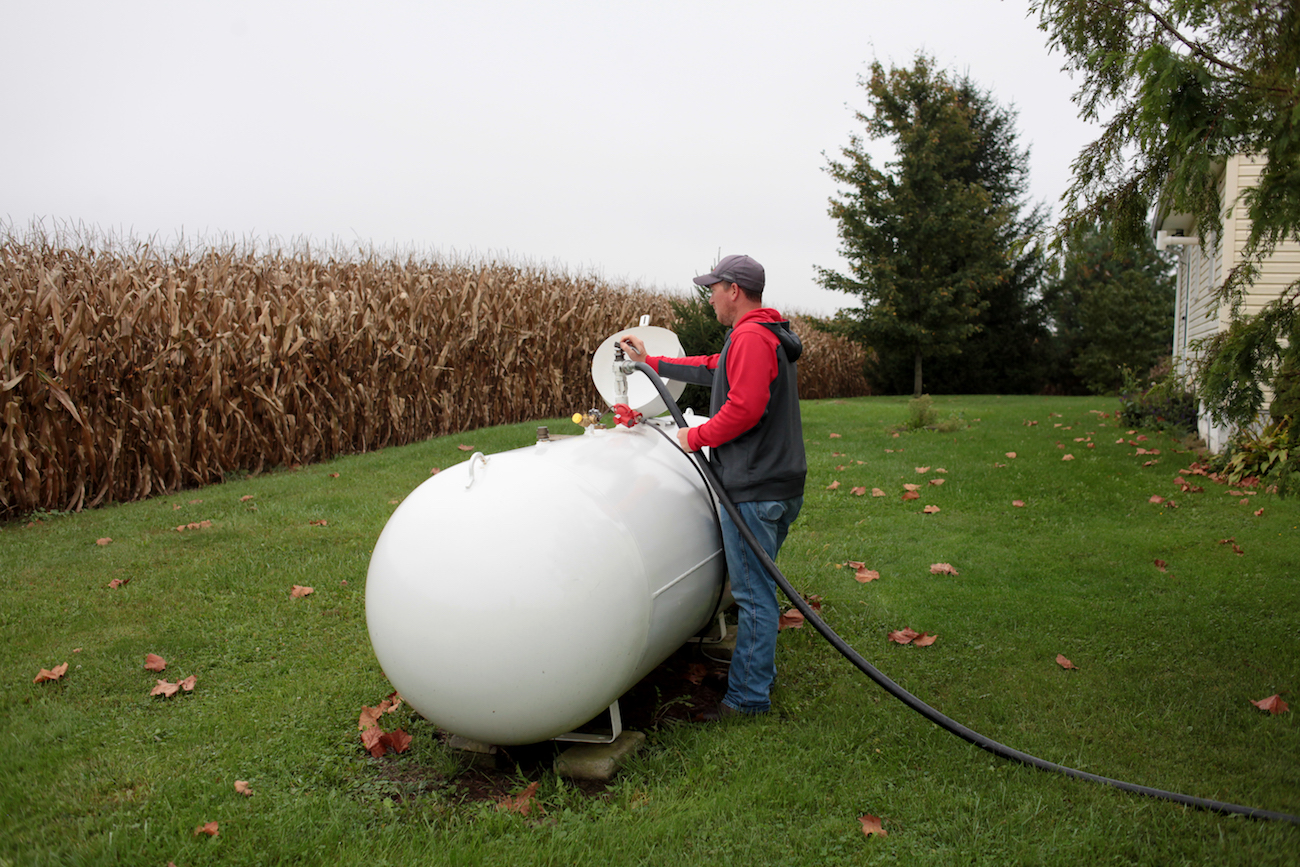
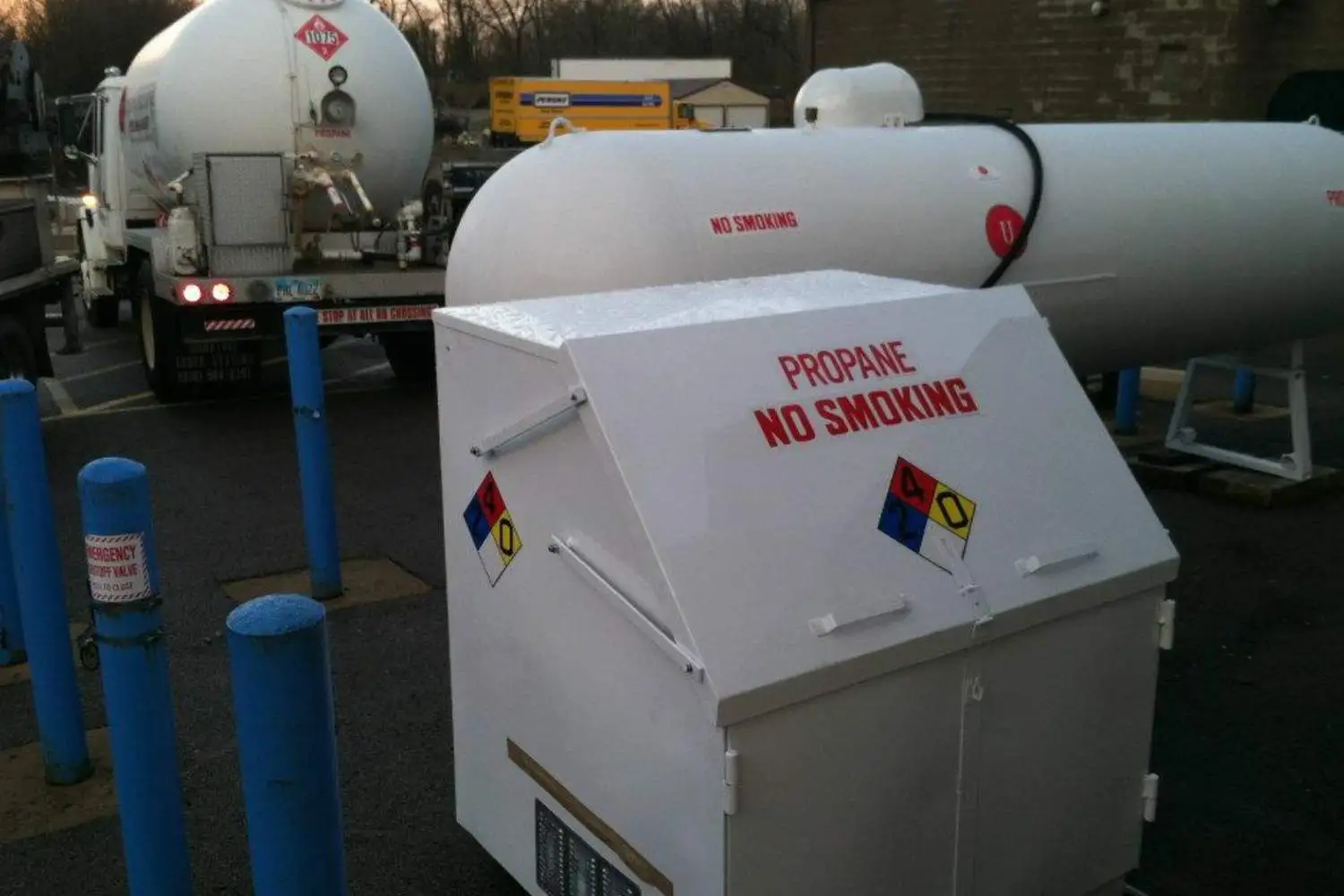
Most residential Generac generators burn between 1 and 4 gallons of propane per hour, depending on generator size and how hard your home is pushing it. At a typical half-load, which is how most Ohio homes actually run during an outage, here’s what that looks like in practice:
|
Generator Size |
Half-Load Usage | Full-Load Usage | Daily Consumption (Half-Load) |
|
10–14 kW |
1.0–1.8 gal/hr | 1.5–3.0 gal/hr | 24–43 gallons |
| 18–20 kW | 1.7–2.4 gal/hr | 3.0–3.7 gal/hr |
41–58 gallons |
| 22–24 kW | 2.0–2.5 gal/hr | 3.5–4.0 gal/hr |
48–60 gallons |
Data based on Generac manufacturer specs and real Central Ohio homeowner reports. Actual consumption varies by load and conditions.
Why Ohio Homeowners Underestimate Their Fuel Needs
Here’s something that comes up time and time again after serving Central Ohio homes for over 16 years: people size the generator right but plan the fuel wrong. It makes sense. You spend weeks researching 20kW vs. 22kW units, comparing transfer switches, getting quotes. By the time the installation is done, you assume the propane side will just work itself out. Then a February ice storm hits Marysville for four days, your tank hits 8%, and suddenly you’re in panic-delivery territory. The homeowners who handle outages smoothly aren’t the ones with the biggest generators. They’re the ones who understood their actual runtime needs before the storm season started.
The Four Things That Actually Control Your Propane Usage
1. Generator Size But Not in the Way You’d Think
A 24kW Generac can burn 4 gallons per hour. But it only does that when it’s running near maximum capacity. Most homeowners with that size unit never hit full load during a typical outage. Size sets the ceiling; your household demand sets the actual number.
That said, larger units still consume more propane even at the same load percentage. A 22kW running at 50% uses more fuel than a 14kW running at 50%. Factor that in when you’re talking tank sizing with your propane supplier.
2. What You’re Actually Running This Is the Big One
Think about the difference between these two scenarios during a winter outage:
- Scenario A: Refrigerator, phone chargers, a few lights, and the furnace blower cycling occasionally. That’s a light load, probably 1.0 to 1.5 gallons per hour on most whole-home systems.
- Scenario B: Furnace running hard in sub-20°F temps, electric water heater on, two TVs, someone running a space heater they didn’t need to, plus the refrigerator and lights. You’re pushing toward 3+ gallons per hour.
The difference across a 72-hour outage? Roughly 100 gallons. That’s a significant gap when you’re trying to figure out if your 500-gallon tank will hold.
Practical tip: Before storm season, walk your home and think through what you’d actually run during a 3-day outage. That mental exercise is more useful than any generic chart.
3. Ohio Weather: Both Seasons Create Demand Spikes
Ohio doesn’t just throw ice storms. You also get:
- Winter cold snaps (January–February): furnaces cycle constantly, heat pumps work overtime, hot water demand increases. This is typically when propane consumption peaks for generator users.
- Summer thunderstorms: widespread power outages from July storms often catch people off guard. Air conditioning creates one of the heaviest electrical loads your generator faces.
Both seasons demand more fuel than a mild-weather outage. If you’re sizing a propane tank for backup power, plan around a bad-weather scenario, not an average one.
4. Generator Maintenance: The Efficiency Variable People Ignore
A dirty air filter, a timing issue, or a fuel delivery problem can cause your generator to work harder than it should, burning more propane for the same output. Routine maintenance before storm season isn’t just about reliability. It’s also about efficiency. A well-maintained Generac generator running cleanly at 50% load uses meaningfully less propane than a neglected unit straining at the same load.
How Long Will 100 Gallons of Propane Last Running a Generator?
This is one of the most searched questions, and the honest answer depends entirely on your load:
|
Usage Rate |
Estimated Runtime |
| 1 gal/hr |
~100 hours (4+ days) |
|
2 gal/hr |
~50 hours (2 days) |
| 3 gal/hr |
~33 hours |
|
4 gal/hr |
~25 hours |
For a typical Central Ohio home running a whole-house generator at half load during a winter storm, 100 gallons gives you roughly 40–60 hours of runtime. Enough for most outages but not comfortable for a multi-day event.
How Long Will a 500-Gallon Propane Tank Last on a Generac Generator?
A 500-gallon tank is the most popular choice for whole-home standby setups in this region and for good reason. One important note: propane tanks are never filled to 100% capacity for safety reasons. Usable fuel in a “500-gallon” tank is closer to 400 gallons.
With 400 usable gallons, here’s the realistic runtime range:
- Light load (1.5 gal/hr): ~11 days
- Moderate load (2.5 gal/hr): ~6.5 days
- Heavy load (3.5 gal/hr): ~4.5 days
For most Union County and Columbus-area homeowners dealing with typical Ohio outages, a well-managed 500-gallon tank covers the event comfortably. The key phrase: well-managed. That means starting storm season with a full tank, not a half-full one.
How Much Propane Does a Whole House Generator Use in 24 Hours?
Simple math, but it’s worth having the numbers in front of you:
|
Hourly Consumption |
Daily (24-Hour) Usage |
|
1 gal/hr |
24 gallons |
| 2 gal/hr |
48 gallons |
|
3 gal/hr |
72 gallons |
| 4 gal/hr |
96 gallons |
A three-day outage at moderate load (2 gal/hr) burns through roughly 144 gallons. That’s well within a 500-gallon tank’s capacity as long as you started full.
What Size Propane Tank Do You Really Need for a Generac Generator?
Consider going larger than you think you need. Here’s why: the cost difference between a 250-gallon and a 500-gallon tank is a fraction of what a single emergency delivery costs during a storm. Larger tanks mean fewer refill windows, more buffer when demand spikes regionally, and genuine peace of mind when you’re watching a weather alert.
Factors that point toward a larger tank:
- You’re heating with propane (not just using it for the generator)
- You have an electric water heater on the generator circuit
- Your home is over 2,500 sq ft
- You’re in a rural area with longer delivery routes
- You want 7+ days of backup runtime without a refill
A good propane supplier will walk through your actual appliance load, square footage, and generator size to give you a specific recommendation, not a guess.
What Is the Largest Size Propane Tank You Can Buy?
For residential use, tanks typically range from 120 gallons up to 1,000 gallons for above-ground installation. Underground tanks can go larger. Most whole-home generator setups fall in the 500–1,000 gallon range depending on total propane load (heating, cooking, water heating, plus the generator). Commercial and agricultural properties sometimes run multiple large tanks in tandem for much higher storage capacity.
How Long Will a 1,000-Gallon Propane Tank Last on a Generator?
With roughly 800 gallons of usable fuel, a 1,000-gallon tank running a 20–24kW Generac at moderate load (2–2.5 gal/hr) gives you:
- ~13–16 days of continuous generator operation
That’s the kind of reserve that handles nearly any grid outage Central Ohio has ever seen, including the extended winter events that occasionally knock out power in rural Union County for a week or more.
Fuel Planning Mistakes That Cost Ohio Homeowners the Most
After 16+ years helping homeowners across Marysville, Columbus, Plain City, and Avondale, the mistakes we see most often come down to timing and assumption.
- Waiting until the storm is already forecast to call for delivery. Propane demand spikes region-wide when a major weather event is predicted. Delivery times that are normally 2–3 days can stretch significantly. The homeowners who avoid this stress are the ones who refill at 30% not 10% and do it before storm season starts.
- Assuming last year’s fill will cover this winter. If you’ve added appliances, had a colder winter than average, or started using your generator for more circuits, your consumption has changed. Recalibrate your expectations annually.
- Not setting up auto-fill. If you’re running a standby generator, auto-fill is worth seriously considering. You’re already using propane to protect against unpredictability; remove one more unpredictable variable.
Frequently Asked Questions
How long will a tank of propane last in the winter? Winter increases propane consumption significantly because heating systems run more, and if you’re running a generator, you’re layering generator demand on top of existing heating demand. A tank that lasts all month in spring might need refilling in 2–3 weeks during a cold January. Plan accordingly and consider setting your reorder trigger at 30%.
What size propane tank do I really need? The right size depends on your generator’s kW rating, your home’s total propane appliances, and how many days of backup runtime you want without a refill. A professional tank sizing consultation with a local supplier gives you a specific answer rather than a generic one.
What is the largest size propane tank you can buy for residential use? Most residential above-ground installations top out around 1,000 gallons. Underground tanks can be larger. For most whole-home generator setups in Central Ohio, 500–1,000 gallons covers the typical range.
How long does a 1,000-gallon propane tank last on a generator? At moderate half-load operation (2–2.5 gal/hr), expect roughly 13–16 days of continuous runtime. That number drops with heavier electrical demand and rises with lighter use.
Is propane better than gasoline for a standby generator? For permanent standby installations, propane has a clear practical advantage: it doesn’t degrade in storage the way gasoline does, so your generator is ready even after sitting unused for months. It’s also cleaner-burning and easier to store safely in larger quantities.
Conclusion
Understanding how much propane your Generac generator uses per hour isn’t just a technical question; it’s a preparedness question. The answer shapes your tank size, your delivery schedule, your outage strategy, and your peace of mind when the next storm rolls through.
Most Central Ohio homeowners with a whole-home standby generator land somewhere between 1.5 and 2.5 gallons per hour at real-world loads. Plan your tank size and refill schedule around that range, build in margin, and start every storm season with a full tank. Union Propane has served homeowners across Marysville, Plain City, Columbus, Avondale, and Union County for more than 16 years. We offer propane delivery, tank installation, generator hookups, and fuel planning support, and we’re locally owned, so we actually understand what Central Ohio winters demand.